Project Description:
My Fall Semester of 2010 was conducted at CASE, the Center for Architecture Science and Ecology, a Rensselaer Architecture research program run out the New York
offices of Skidmore Owings and Merrill (SOM).
The launching point for this studio was a rigorous bio-analytic study. My chosen subject was the Cape Pangolin, the only mammal with scales which is native to the
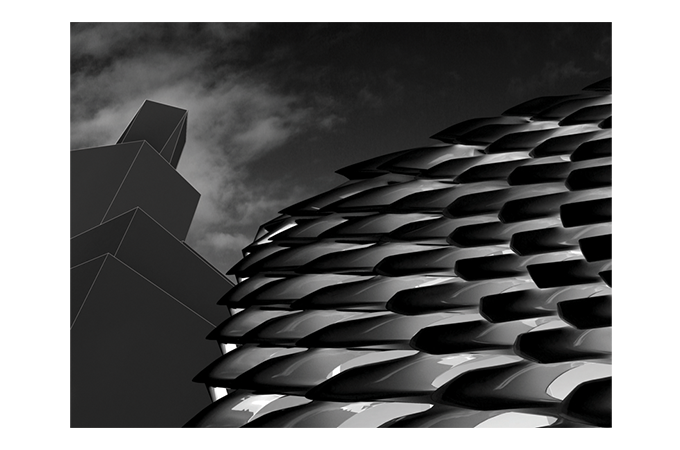
tropical regions of Africa and Asia. The pangolin's scales are a dynamic envelope providing a defense against predators, akin to a knight's suit of armor. The tough
envelope is also vital to the animal's thermoregulatory system. This balance between enclosure and porosity provided interesting opportunities for architectural
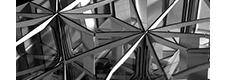
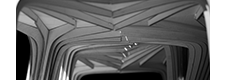
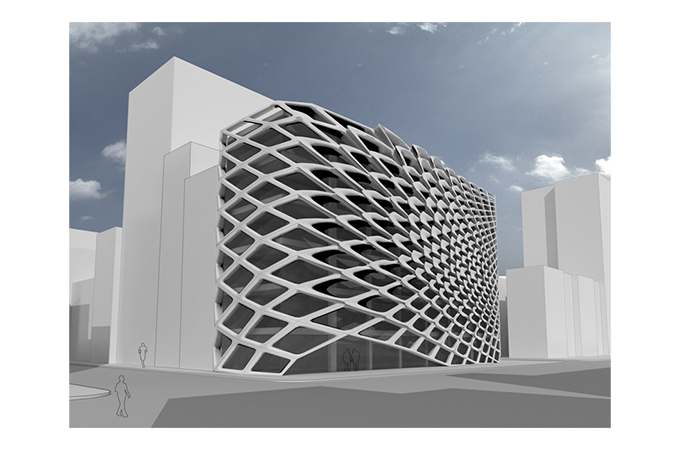
translations. The bio-analytic process resulted in a tectonic module able to populate complex surfaces.
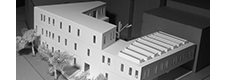
The site, in Lower Manhattan, provided an opportunity to explore and solve for the climatic anomalies present in dense urban environments. Urban canyons produced
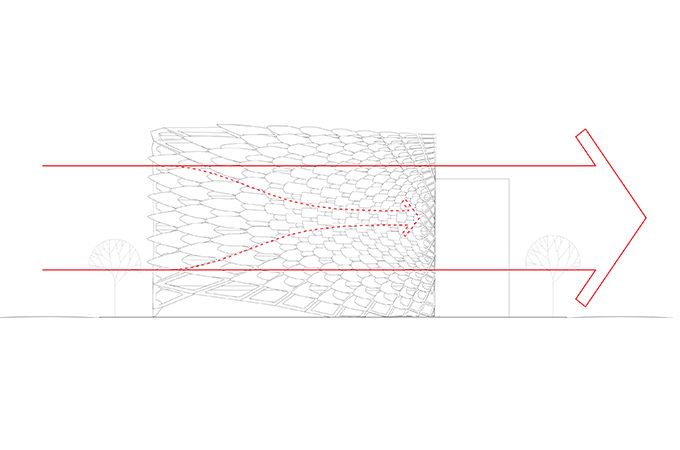
diverse wind conditions and high-rise buildings reduced solar access, so the module was designed to contribute toward the energy balance of the building. The new
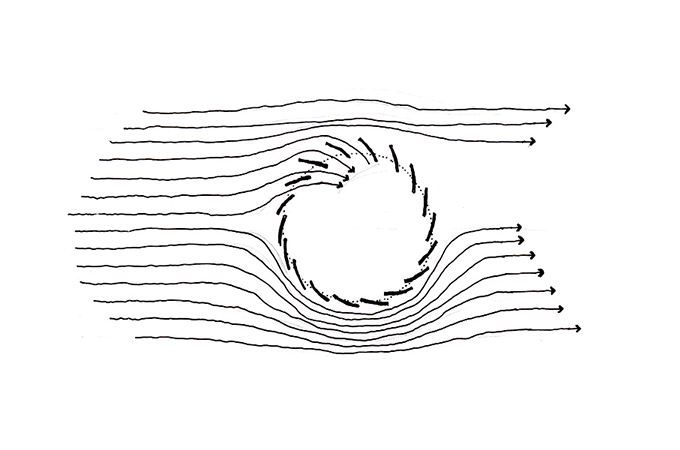
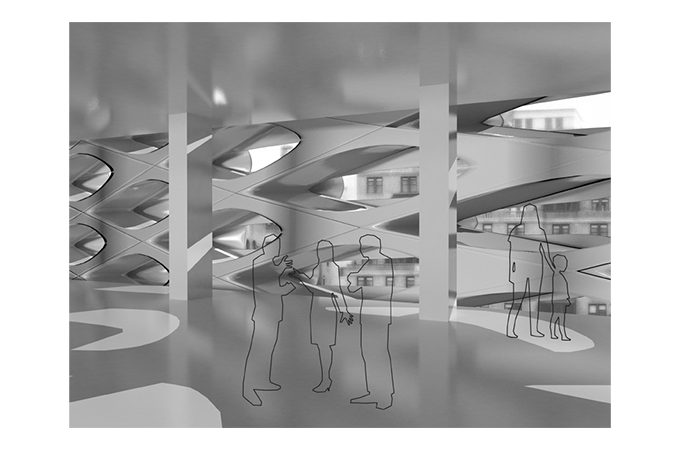
envelope now acts as a receptacle for wind, as opposed to trying to deflect it or hide from it, and uses the gained kinetic energy within the building. It replaces
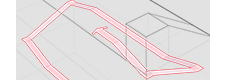
the existing structure of the building and in doing so, optimizes the solar access through careful refinement of the module's geometry.